Full Circle at ICMP: How Vocal Physiotherapy Grew With Me
From sticking plasters to root-cause, performance-proof vocal care
Today I taught vocal health as a physiotherapist on the MA in Voice Studies at ICMP, the Institute of Contemporary Music Performance. Standing in a room of postgraduate singers, talking about their voices as systems we can train, condition and protect, felt like a full-circle moment.
I first stepped into this world in 2019. I was fascinated by the idea that we could train the voice the way we train the rest of the body and fascinated that this tiny instrument, the larynx, and the surrounding muscles could be shaped intentionally rather than left to chance. Back then, if I’m honest, I had been taught how to put sticking plasters on symptoms. I could help people feel better, but I wasn’t always treating the root cause.
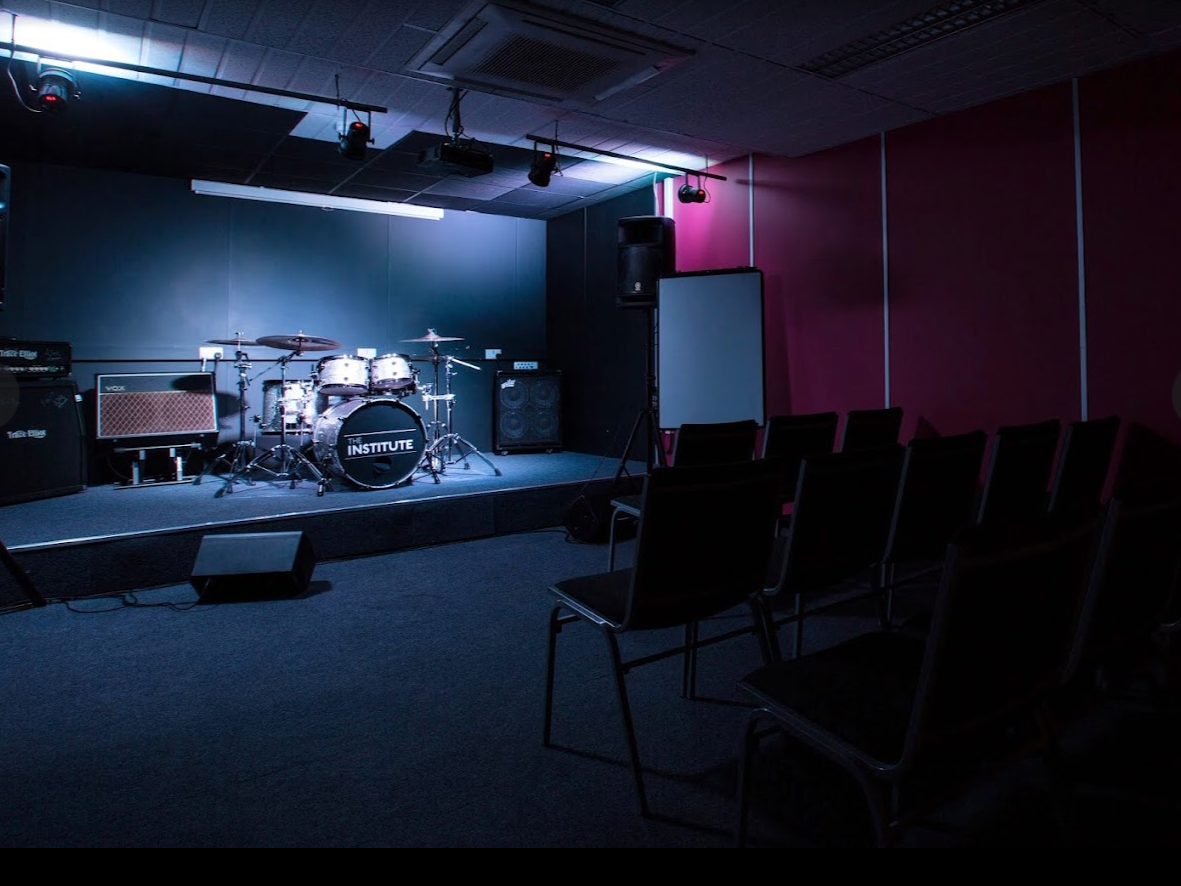
ICMP Kilburn, training room
Two worlds, two languages
In 2019 I realised there wasn’t just a clinical gap — there was a translation gap.
Clinicians were speaking in muscles, bones, biomechanics, load, breath mechanics and effort.
Singers and teachers were speaking in colour, emotion, intention, artistry and approach.
We were all trying to help the same people, but we weren’t speaking the same language. That made it difficult to create truly cohesive treatment plans that worked in the clinic and in the rehearsal room.
So I went on a deep dive. I studied the mechanics of breath and movement, and I spent years listening to how singing teachers across London and Europe talk about technique, sound and “good singing”. My aim was to become bilingual — to speak both body and artistry.
From short-term fixes to long-term solutions
Over time, my work shifted from asking, “What can I release?” to asking, “Why is this happening under the surface?”
I’ve spent years trying to marry:
• What physiotherapy and science understand about the body and breath
• What the singing world believes about optimal technique and expression
Sometimes those align beautifully. Sometimes they don’t.
Along the way, I’ve also changed how I use laryngeal manual therapy. When I started, it was the main event. Now, it is a tool:
• for symptom modification, to create immediate ease and access
• for functional diagnostic insight, to help guide long-term treatment and management
Watching students, and watching myself
Over the past few weeks at ICMP, I’ve been working with the MA Voice Studies students in a group setting, sharing Prehabs approach to health and wellbeing. We want to change the model of healthcare to preventative and proactive care, empowering patients as a core value not just words. The reactive model isn’t working, but that’s another article for another day.
We talked about shifting from reactive care — waiting until something breaks — to preventative care, where health is something you actively work on before problems appear. We also talked about symptoms and what they might mean, what the body may be trying to say, and how singers can become less afraid of their own voices and bodies when something feels off.
But the most powerful moments came when the students stood up to sing in front of their peers.
As I watched them, I had this strange experience of stepping outside myself and watching me work. I realised I could now hear and see details that I simply would not have picked up a few years ago.
I could hear when a voice was squeezed, tight, tired, less resonant or forced. I could see when a pelvis was slightly rotated, when the spinal axis was drifting off line, when rib mobility was limited, or when someone was shifting their weight to one side in a way that affected balance, breath and vocal freedom.
And in what was, a very proud moment for me, was not just being able to spot those interesting imbalances or hear the symptoms in the voice, it was being able to identify the likely root causes and then do something meaningful with that information in real time.
I provided muscle activation cues, stretches, breath exercises, mobility drills, and introduced completely new voice concepts that some of the students had never heard before. Then, in front of their peers and in front of my eyes, we could watch and hear their voices immediately change!
This was an incredible moment. The specialty is changing, I and the team at Prehab have changed it for the better. A moment that makes all the work behind the scenes worth it and an indicator that we are moving in the right direction so we must keep going.
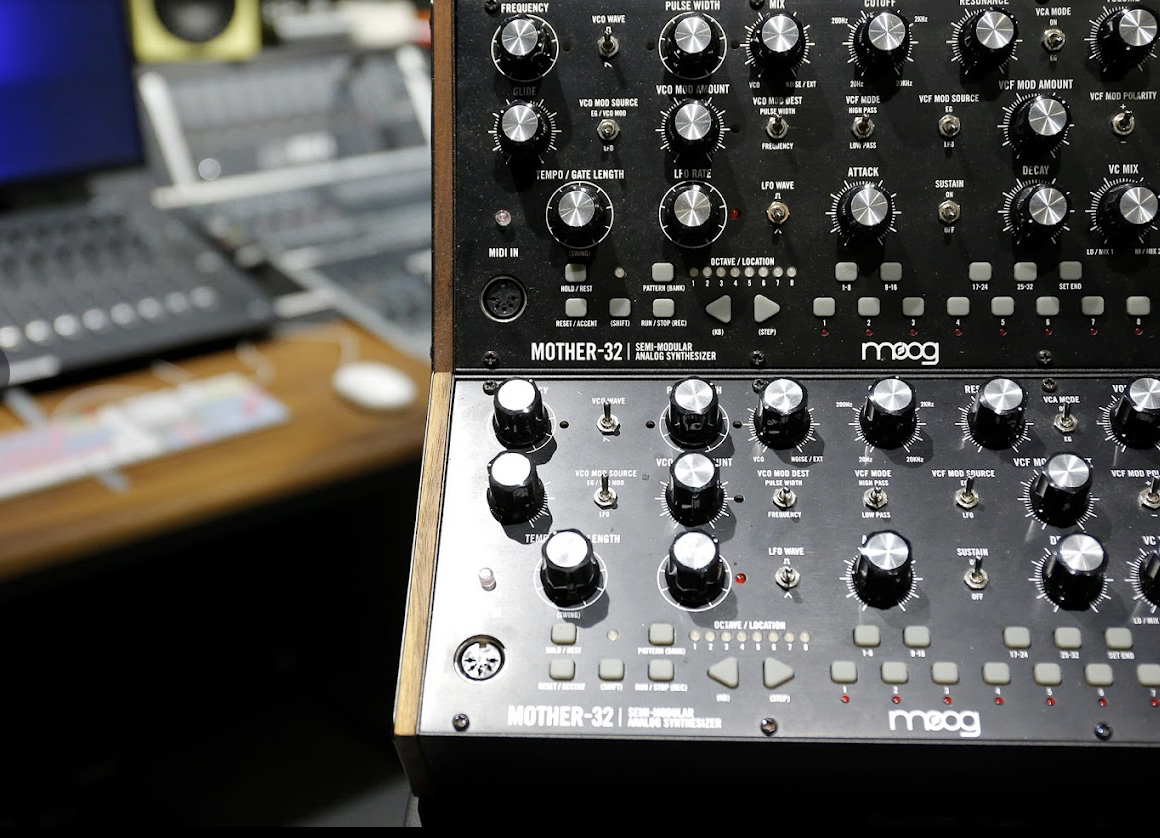
Two students, two stories
Two students in particular brought everything into focus.
Both were struggling with vocal tension; tightness in the tongue, around the pharynx and in the jaw — which was limiting vocal fold closure, freedom and agility.
But their root causes were completely different (pun fully intended).
One was chronically unwell and was not managing their vocal hygiene well, carrying layer upon layer of fatigue and irritation through the system. The other was carrying stress, anxiety and trauma in their body, with the nervous system holding on for protection and that tension showing up in the voice.
In 2019, I would probably have treated both of them more or less the same way: deep tissue release of the tongue root, jaw, and mobilisation of the larynx.
In 2026, that is just the starting point.
For one student, the work became about pacing, recovery, vocal hygiene, load management and technical singing support. For the other, it required a very different lens; Multiple clinical discipline support, nervous system safety and regulation, strategies to manage nerves, breath, muscle tone and a broader understanding of why the body might be holding on so tightly in the first place.
Same vocal symptoms. Different story. Different plan.
That moment really brought home how much this field has evolved for me. I have not only spent these years studying the body and the singing body from a functional point of view for long-term use, but I’ve also refined the use of vocal massage and laryngeal manual therapy so that it is useful not only for symptom modification, but also as a functional diagnostic tool that helps guide long-term management.
Moments like these remind me why we built Prehab the way we did.
We got into this work to empower people to understand their own bodies and their own voices. To push the vocal specialty as far as it could go, so that it could understand the root cause of a problem and support people long-term, rather than leaving them dependent on others indefinitely.
We do this work to help lift people up into the best version of themselves, and to help them realise their true potential with a body and voice they understand, trust and know how to care for.
Thank you
A huge thank you to Lucinda Allen of ICMP and Voice Unlocked, for trusting me with her students, for allowing me to work and learn with her over the years, and for her leadership in bringing the singing and clinical worlds together.
That kind of trust, collaboration and leadership is exactly what this field needs more of.