
The Prehab Blog - From our Clinicians
Voice care tips from a vocal physiotherapist
If you're only thinking about your singing, and not what's happening to your voice the other 23 hours of the day, you may be missing some of the most impactful changes you can make. Here are three things I see consistently overlooked in a singer's voice care routine.
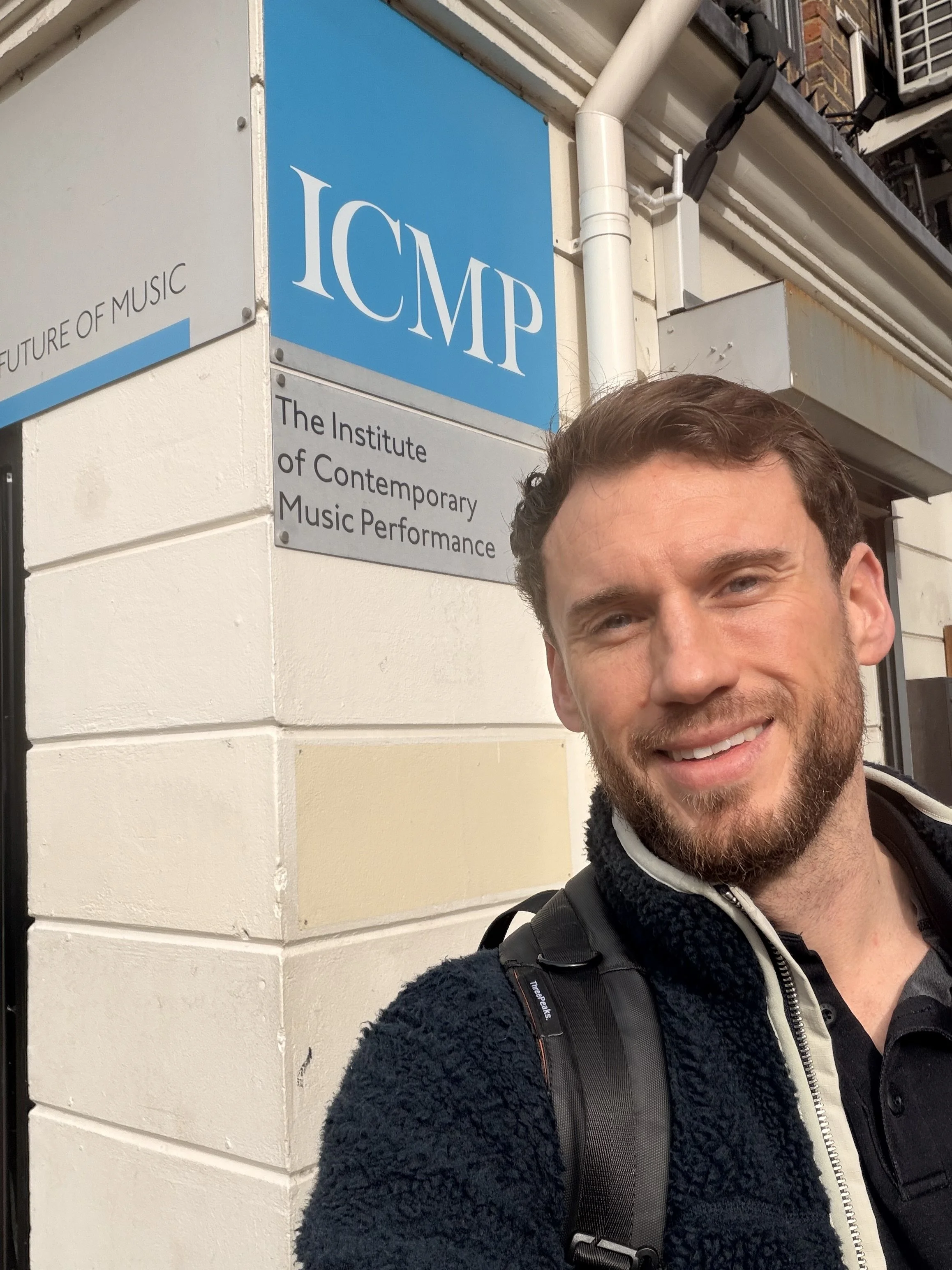
Full Circle at ICMP: How Vocal Physiotherapy Grew With Me
I first stepped into this world in 2019. I was fascinated by the idea that we could train the voice the way we train the rest of the body and fascinated that this tiny instrument, the larynx, and the surrounding muscles could be shaped intentionally rather than left to chance.
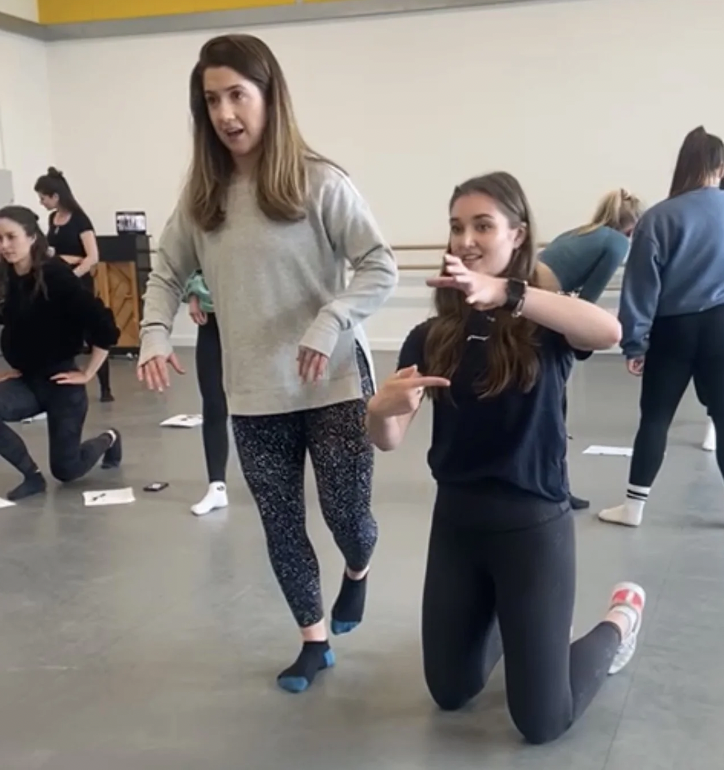
What We Actually Look For During a Movement Assessment
Many people come into our clinic expecting a movement assessment to focus only on the area that hurts. If your knee hurts, you might assume we’ll only look at the knee. If it’s your shoulder, we’ll only look at the shoulder. In reality, a movement assessment is often much broader than that. Our aim isn’t just to identify where symptoms are appearing, it’s to understand how the whole system is working together.
Because movement is a team effort!

Knee Pain in Dancers & Performers: Hyperextension, Hypermobility and Anterior Knee Pain
Knee Pain in Dancers & Performers: Hyperextension, Hypermobility and Anterior Knee Pain. Knee pain is one of the most common reasons dancers and performers come to clinic, and it’s rarely caused by just one thing. We've been seeing many performers struggling with anterior knee pain (pain at the front of the knee) that is often linked to repeated loading in deep flexion, landing mechanics, turnout demands, and, very commonly, knee hyperextension in hypermobile individuals.

The Return-to-Training Guide: How to Come Back Smarter After a Break
January often brings a mix of motivation and urgency. Classes restart, rehearsals ramp up, and many people feel pressure to “get back to where they were” before a break. But returning to training too quickly is one of the most common reasons we see flare-ups, setbacks, and preventable injuries at this time of year.A smarter return to training isn’t about doing less, it’s about doing what your body is actually ready for.
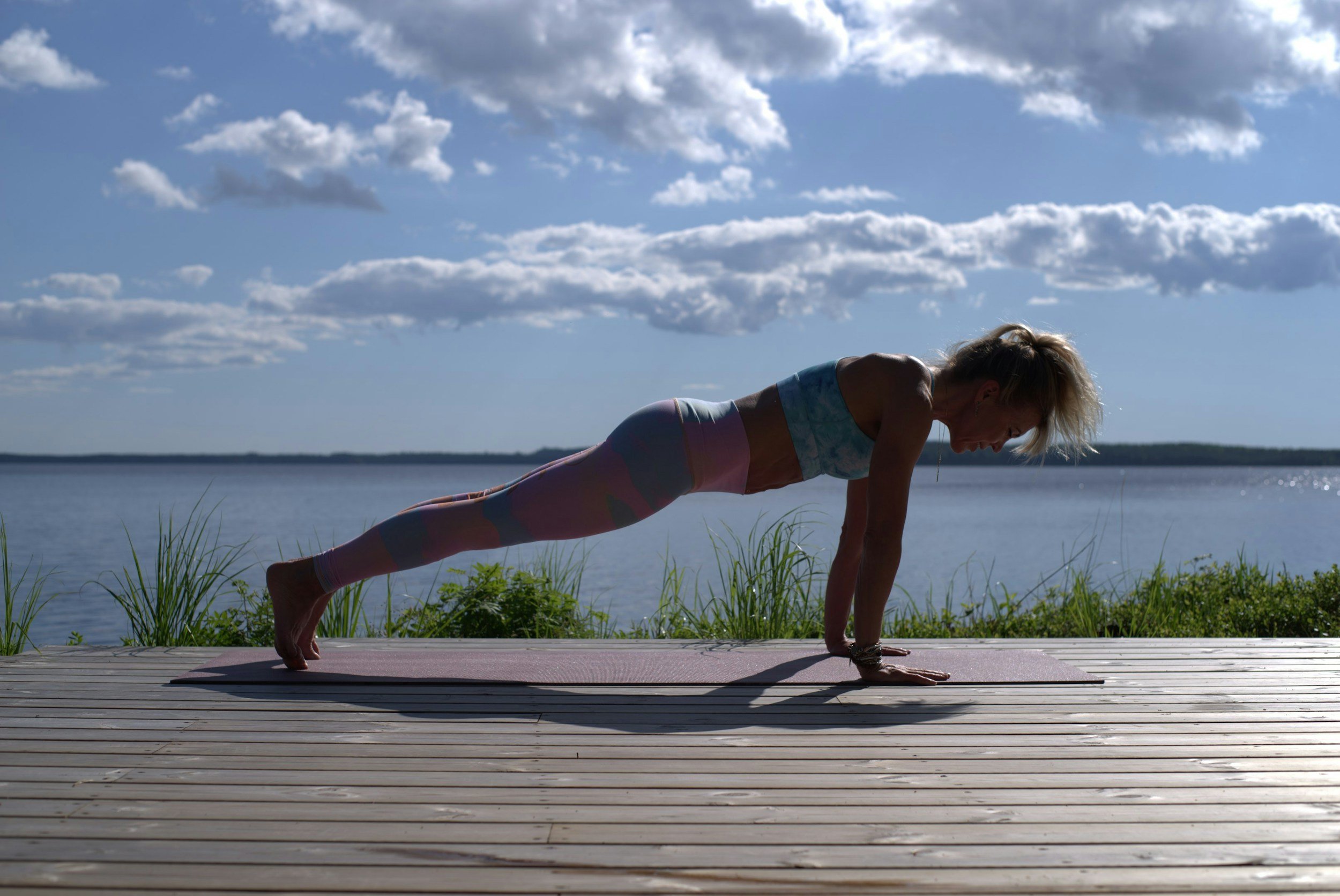
Core Stability: More Than Just Abs
What if we told you that the core muscles are a coordinated system involving the diaphragm, deep abdominal muscles, pelvic floor and spinal stabilisers. You can see that the core is a complex system; including your breathing muscles, the layers of abdominal muscle that support your spine and the muscles that wrap around the inside of your pelvis.

Why Recovery Should Be Part of Training and Not an Afterthought..
In performance culture, there’s often an unspoken rule: the harder you work, the better you’ll get. But anyone who’s pushed through fatigue, injury, or burnout knows that more effort doesn’t always equal more progress.

The Breath–Spine–Pelvis Connection
Breathing seems simple. We do it 20,000 times a day without thinking.

Ready for Audition Season?
Audition season is one of the most exciting, and stressful times of the year for singers, dancers, and performers.
It’s when preparation meets opportunity. While most performers rehearse their material for hours, far fewer prepare the one tool they all rely on most: their body.

3 Overlooked Reasons Recovery Slows Down
If you’ve ever left a clinic feeling amazing, only to feel the same old pain or stiffness a few weeks later, you’re not alone.
It’s not about the rehab being “wrong”, it’s about making sure the whole recovery picture is complete.
Here are the 3 most common gaps we see, and how to close them.

Mental Recovery After Injury
Recovering from an injury isn’t just a physical journey, it’s a mental one, too.
While most rehab programs focus on mobility, strength, and function, the emotional toll of being sidelined can be often underestimated. Whether you're a dancer, athlete, or someone trying to return to everyday movement, the mental side of healing can be just as complex, and just as important.

Are You 1 Repetition Away From Injury?
Is Your Body One Repetition Away from Injury?
Sara talks about how to listen to your body and avoid injury. Identify the 5 signs that you could use some Prehab. Learn about the difference between “Good” and “Bad” pain and how to manage it.
